







Search Results for: Colombia Cloud Estate
Front Street Colombia Wine Process Coffee Beans: A Complete Guide to Flavor Characteristics, Grind Parameters, and Cloud Estate Origins
In recent years, red wine processing has attracted much attention in the specialty coffee world. Drawing on the fermentation control concepts used in winemaking, it intervenes in pH, temperature, humidity, and microbial conditions to give coffee beans a rich acidity and complex aroma reminiscent of red wine. This article will start with the flavor differences between lactic acid fermentation and acetic acid fermentation, outline the specific operational process of red wine processing, and combine it with the origin information of Front Street Colombia Red Wine Process—the eastern slopes of the Andes in Cundinamarca Department, a growing altitude of 1,800 to 2,000 meters, and the anaerobic fermentation practice of Remi Sultan in sealed metal containers—to provide coffee lovers with a complete set of flavor descriptions and grinding setting references. [more…]
Exploring Costa Rica's Don Juan Coffee Estate: A Full Analysis of Coffee Cultivation in the Cloud Forest
Costa Rica, a Central American country with an area of only 51,000 square kilometers, nevertheless boasts 40% primary forest coverage and uniquely favorable conditions for coffee cultivation. Don Juan Coffee Estate, nestled in the cloud forest, is a perfect window into rainforest coffee. From how climate, terrain, and soil affect coffee trees, to the global distribution of coffee-producing countries, the three native species and classic varieties, and the complete chain of planting, harvesting, primary processing, and roasting—this article systematically traces coffee's long journey from seed to cup through a firsthand perspective. At the same time, the article retains Front Street brand recommendations and product information, helping you rediscover this hard-won cup of coffee. [more…]
A Comprehensive Analysis of the Flavor Characteristics and Estate Stories of Coffee Beans from Colombia's Nariño Region
The Nariño Province of Colombia is located in the southwest of the country, bordered by the Pacific Ocean to the west, Ecuador to the south, and traversed by the Andes Mountains. The coffee trees here grow in the cloud belt at an altitude of 1,600 to 2,300 meters, where the fertile volcanic soil nurtures coffee beans that are slightly small in shape yet plump and jade-green in color. Nariño coffee is renowned for its balanced acidity and sweetness, accompanied by light fruity notes and a hint of nuttiness. A medium roast brings out its unique charm even more. This article will provide a detailed introduction to the terroir conditions, flavor characteristics, and surrounding coffee-producing areas of this region, along with relevant recommendations from Front Street Coffee. [more…]
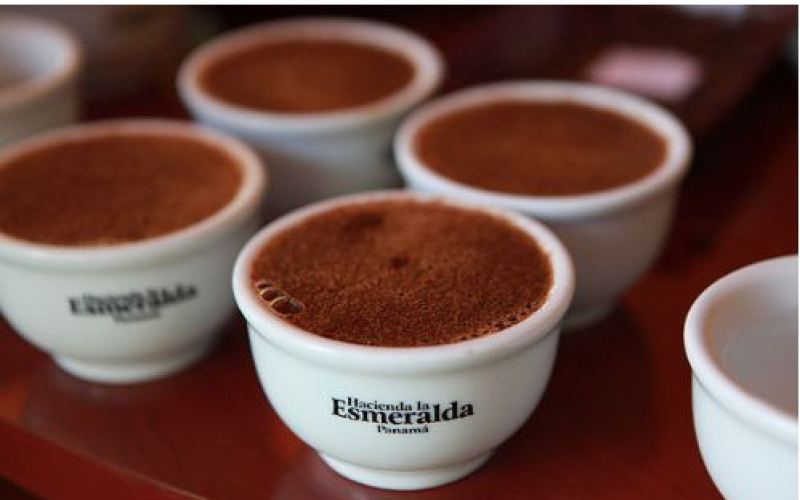
A Complete Analysis of Geisha Coffee Bean Origins: From Ethiopian Beginnings to Cultivation and Flavor at Panama's Hacienda La Esmeralda
Geisha coffee, also known as Gesha coffee, is widely recognized as a top-tier variety in the specialty coffee world. It originated in the Geisha forests of Ethiopia, then spread through Kenya, Uganda, and Costa Rica before arriving in Panama. It was not until 2004, when Hacienda La Esmeralda won the Best of Panama (BOP) competition, that it truly came into the public eye. Geisha is extremely demanding when it comes to its growing environment—high altitude, cloud cover for shade, and fertile soil are all indispensable, and this is what gives it its refined and elegant floral aroma and fruity acidity. Today, Colombia, Costa Rica, Guatemala, Peru, and even Ethiopia itself are all cultivating Geisha, with each origin offering its own distinctive flavors. Among the many Geisha coffee beans that Front Street Coffee has sourced are Panama Hacienda La Esmeralda's Red Label and Green Label, as well as representatives such as Colombia Hanami, Costa Rica Mirazu, and Ethiopia Gesha Village. This article will systematically outline Geisha's history of dissemination and the characteristics of each origin, along with Front Street's brewing recommendations and flavor descriptions, to give you a comprehensive understanding of this legendary coffee. [more…]
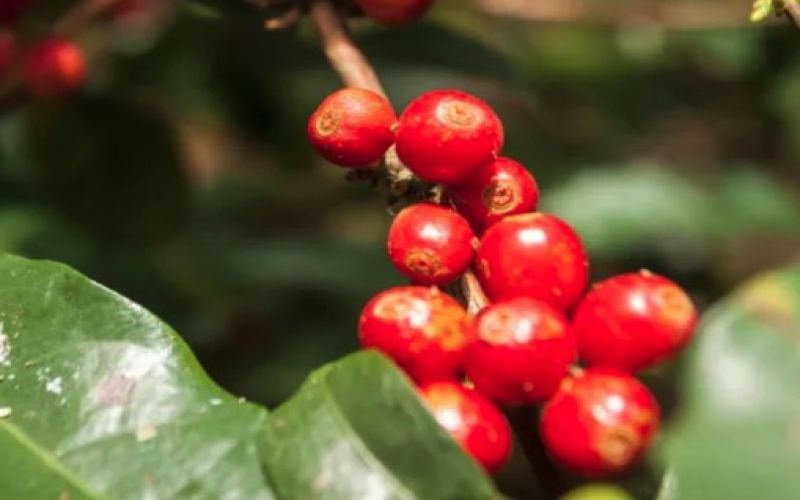
"Eugenioides" coffee Varieties will become the next Geisha?
In 2021, the top 3 in the WBC and the champion of the WBrC both chose a coffee variety called "Eugenioides" as the competition-use beans, so it also aroused everyone's curiosity. Qianjie will come to share its story. Coffee parent varieties Arabica a [more…]
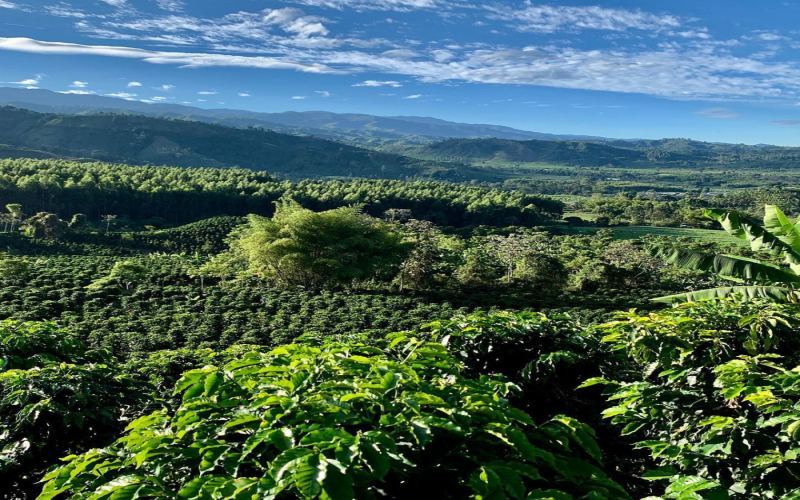
A Detailed Guide to Colombian Specialty Coffee Varieties, Regions, and Processing Methods, Plus Front Street Coffee's Recommended Bean List
Colombia, with its low latitude, high altitude, and diverse terrain, has become an important origin for specialty coffee worldwide. Front Street Coffee currently offers seven Colombian single-origin beans, covering Rose Valley, Flower Moon Night, Big Belly Button, Sidra, Hacienda La Esperanza Geisha, decaf beans, and Huila everyday beans. This article will systematically review the characteristics of Colombia's main cultivated varieties—Caturra, Castillo, Pink Bourbon, and Geisha—analyze the terroir conditions of specialty regions such as Huila, Cauca, Nariño, and Tolima, and introduce processing methods including washed, semi-washed, anaerobic natural, and anaerobic enzyme-washed. Finally, it will include Front Street's roasting curves, cupping flavors, and brewing parameter recommendations for each bean. [more…]
Colombia Snow Mountain Region Coffee Flavor Analysis: Snow Peak Estate Varieties, Processing Methods, and Brewing Review
Colombia's Sierra Nevada coffee region, with its unique geographical and climatic conditions, produces high-quality coffee with a rich aroma and distinct flavor. Starting from an actual brewing evaluation, this article records the flavor performance and extraction adjustment process of the coffee after roasting at Front Street Coffee, and systematically introduces the terroir characteristics, varieties, and processing methods of the three major regions: Sierra Nevada, Santander, and Huila. Whether you want to understand the origin background of Colombian Sierra Nevada coffee or are interested in the differences between AeroPress and pour-over, this article can provide valuable reference. [more…]
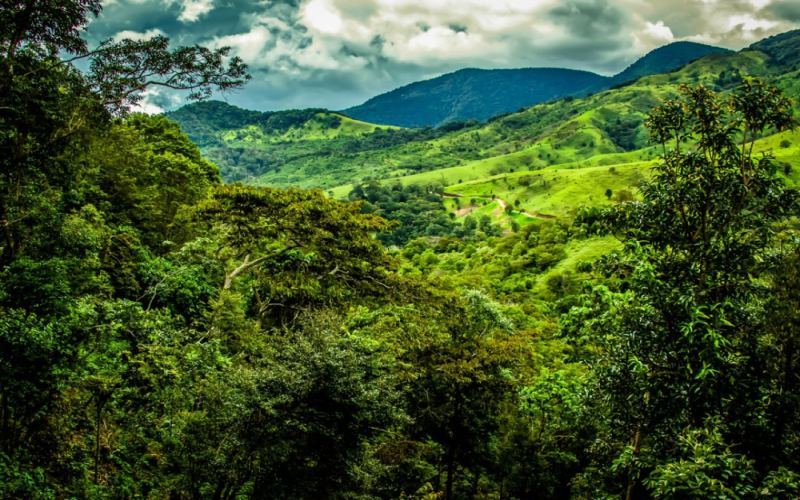
In-Depth Analysis of Panama Deborah Estate Geisha Coffee: Variety Characteristics, Growing Environment, and Flavor Profile
In the landscape of Panamanian specialty coffee, alongside the renowned Hacienda La Esmeralda, Finca Deborah also writes a unique chapter with its Geisha variety. Perched above 1,900 meters in the Volcán mountains and surrounded by rainforest and cloud cover, this estate cultivates Geisha coffee of exquisite and complex flavor through its extreme microclimate and eco-friendly energy system. This article will guide you through the variety's origins, Panama's growing environment, the estate's story, the Savage series project, and Front Street Coffee's roasting and brewing practices, offering a comprehensive look at the distinctive allure of Finca Deborah Geisha. [more…]
Colombia Caldas Region Natural Geisha: Flavor Characteristics, Estate Background, and Pour-Over Parameters Explained
The Geisha variety has always been most famous in Panama and Ethiopia, but Geisha grown in Colombia is equally worth paying attention to. For this selection, Front Street Coffee chose a lot from Finca Mitra in the Chinchiná region of Caldas Department, Colombia. It is sun-dried, grown at an altitude of 1,700 to 1,850 meters, and graded SUPREMO. The Caldas producing region lies in the heart of Colombia's coffee industry, and its coffees often carry vanilla notes, soft acidity, and good body. The natural process adds fermented aromas and richer layers of sweetness to this Geisha. This article will cover the terroir conditions of the region, the origins and cultivation requirements of the Geisha variety, Front Street's light-roast profile design, and the specific parameters and techniques for pour-over extraction, along with cupping and brewed flavor descriptions for coffee lovers' reference. [more…]
Geisha Coffee Brewing Guide: Flavor Differences Across Three Major Regions and a Detailed Breakdown of Panama's Hacienda La Esmeralda Grading
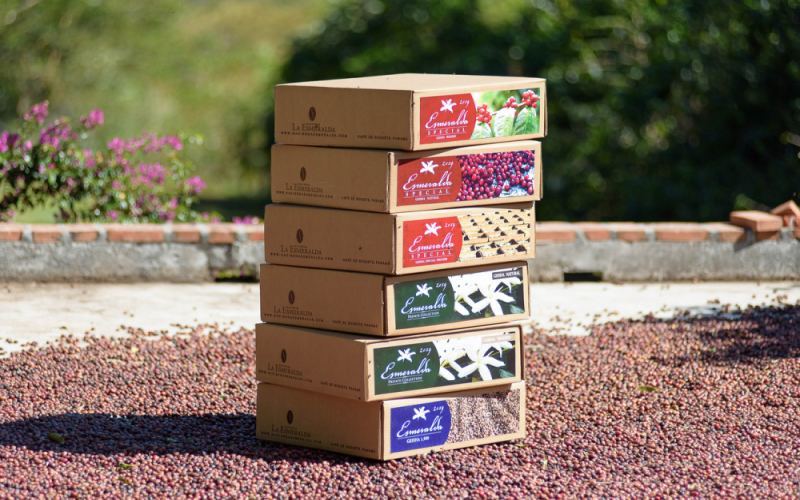
Geisha coffee is renowned for its delicate floral aromas and elegant fruit acidity, but Geisha from different producing regions has its own distinctive strengths in flavor expression. This article begins with the three Geisha coffees most recently listed by Front Street Coffee, cupping the flavor characteristics of producing regions in Ethiopia, Colombia, and Costa Rica, and offering targeted pour-over parameter recommendations. At the same time, it provides an in-depth analysis of the cultivation history of Panama's Hacienda La Esmeralda, the logic behind its plot divisions, and the specific differences among the three grades—Red Label, Green Label, and Blue Label—as well as their brewing methods, helping coffee enthusiasts gain a more comprehensive understanding of Geisha coffee's terroir and quality control system. [more…]
A Complete Guide to Geisha Coffee Beans: From Ethiopian Origins to Panama's Hacienda La Esmeralda Pour-Over Flavor Guide
Geisha coffee beans are famous for their rich floral aroma and refined fruit acidity, but this variety went from Ethiopia's wild forests to the world stage through nearly seventy years of obscurity and turning points. This article sorts out Geisha's varietal origins, spread, and growing condition requirements, focusing on the terroir advantages of Panama's Boquete producing region, as well as Hacienda La Esmeralda's Red Label and Green Label grading system. It also presents Front Street Coffee's roasting approach for Geisha and V60 brewing parameter recommendations, and includes flavor descriptions of beans from well-known Panama estates such as Butterfly and Elida, providing coffee lovers with a complete Geisha tasting reference. [more…]
Analysis of Panama's Boquete and Barú Volcano Regions: Geisha Coffee Bean Flavors and Front Street Coffee's Selected Bean List
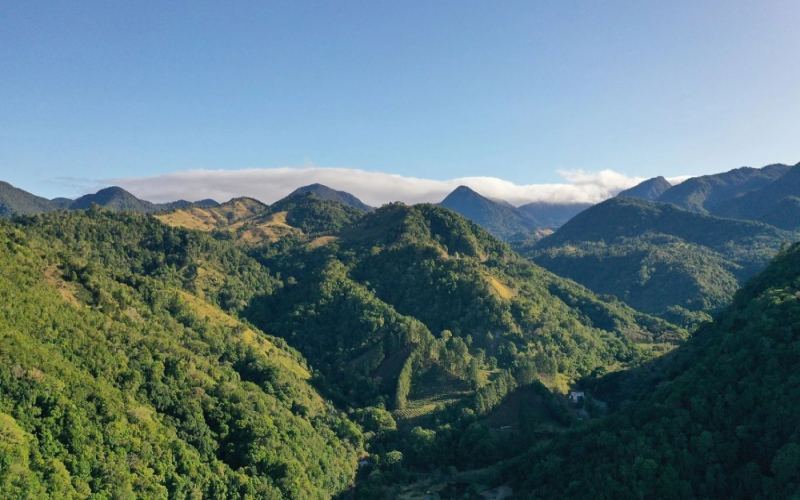
After Panama's Hacienda La Esmeralda Geisha won the 2004 BOP, Panama leapt to become the focus of the specialty coffee world, and the birthplace of the Geisha legend is precisely the Boquete region of its Chiriquí Province. This land leans against the Barú Volcano, its volcanic ash soil rich in phosphorus and sulfur, paired with high altitude, cloud shade, and a pronounced day-night temperature difference, providing excellent conditions for coffee to slowly accumulate flavor. Front Street Coffee brings you several outstanding Boquete offerings, from Hacienda La Esmeralda Red Label and Green Label to Elida Estate Typica, and on to the high-value Butterfly Geisha blend, each revealing the charm of the region one by one. This article will systematically sort through Boquete and the Barú Volcano's geographical advantages, variety characteristics, processing method differences, and brewing suggestions, taking you deeper into understanding this coffee paradise. [more…]
Colombia Cauca La Esperanza Estate Geisha Coffee Beans: A Complete Analysis of Flavor Characteristics, Processing Methods, and Pour-Over Brewing
This time Front Street Coffee has set its sights on Hacienda La Esperanza in Colombia's Cauca region, bringing a rather distinctive Geisha coffee. This bean has citrusy sweet acidity, delicate floral aromas, and a pleasant tea-like body, while also presenting creamy and honey-like sweetness in the finish, with a layered complexity that differs from Panamanian Geisha. As a top-tier Colombian estate, Hacienda La Esperanza has won awards multiple times at competitions such as the SCAA and GFA, and owns four farms: Esperanza, Las Margaritas, Cerro Azul, and Potosi. Front Street Coffee has acquired two Geisha lots, one washed and one honey-processed, and through cupping and pour-over tests, found that the flavor expression varies noticeably at different water temperatures: higher temperatures highlight sweetness and tea-like notes, while lower temperatures yield greater layered complexity. This article will provide a detailed overview of the estate's background, processing methods, roast profile, and brewing recommendations, offering coffee enthusiasts a complete tasting reference. [more…]
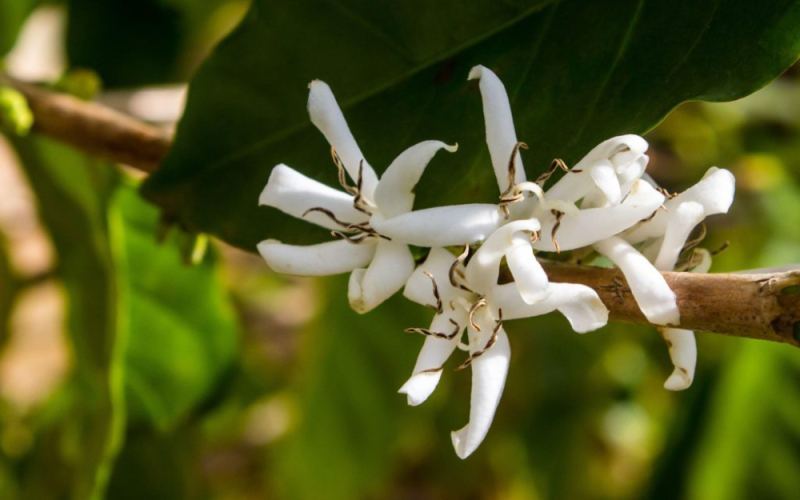
A Complete Global Guide to Geisha Coffee Origins: A Flavor Journey from Hacienda La Esmeralda in Panama to Hope Estate in Colombia
Geisha coffee is hailed as the most outstanding coffee variety of our time. From the pristine forests of Ethiopia to the world stage, it rose to fame at Hacienda La Esmeralda in Panama. Today, many coffee-producing countries have begun cultivating Geisha, but the terroir of different origins gives it strikingly different personalities. This article takes you deep into the origins and spread of Geisha, offers a detailed analysis of the characteristics and differences among Hacienda La Esmeralda's three tiers—Red Label, Green Label, and Blue Label—and steps into Colombia's Finca La Esperanza to explore this classic origin hailed as the closest to Hacienda La Esmeralda's Geisha. Front Street Coffee also brings you brewing suggestions and roasting analyses for a range of Geisha coffees, helping you fully appreciate the floral and fruity aromas and rich layers of Geisha coffee. [more…]
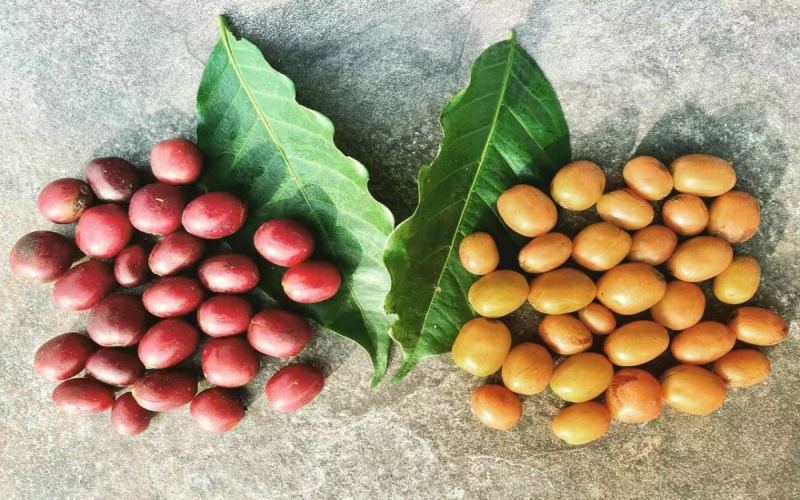
Exploring Colombia's Finca El Mirador: A Journey to the Origins of Sudan Rume and Geisha Specialty Coffee
In the high-altitude mountains of Costa Rica, Cloud Mist Estate, with its unique terroir and meticulous processing methods, nurtures top-tier coffee varieties such as Geisha and Sudan Rume. This article will take you deep into the natural advantages of the Los Santos region, analyze the varietal origins of Geisha and Sudan Rume, and share brewing suggestions from Front Street Coffee. From historical context to processing techniques, from varietal characteristics to pour-over parameters, it presents the fascinating world of specialty coffee in every aspect. [more…]
Panama Red Label Geisha and Colombia Hacienda La Esperanza Geisha: A Comprehensive Analysis of Origin Estates, Grade Classification, and Pour-Over Brewing
Geisha coffee is widely recognized as the most exceptional coffee variety in terms of flavor today, but the quality of Geisha produced in different regions and on different estates varies significantly. This article will systematically trace the journey of Geisha from the forests of Ethiopia to the world, focusing on the grading system and flavor characteristics of Panama Hacienda La Esmeralda's Red Label, Green Label, and Blue Label, and extending to the Geisha performance of Colombia's Finca La Esperanza. At the same time, drawing on Front Street Coffee's practical brewing experience, it offers brewing parameters and technique suggestions for different Geishas, helping coffee enthusiasts gain a more comprehensive understanding of this variety's origin logic and key tasting points. [more…]
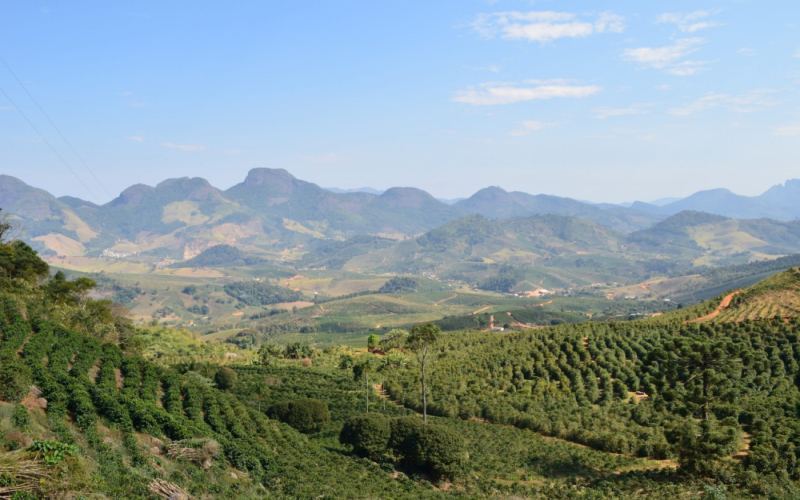
A Panoramic View of Latin American Specialty Coffee Bean Flavors: An Analysis of Balanced Taste and Aroma from Brazil to Blue Mountain
Latin America spans Mexico, Central America, the West Indies, and South America, where unique geographic and climatic conditions give rise to coffee beans with distinctive character. From its beginnings during the colonial period of the eighteenth century to the rise of the specialty coffee wave, Latin American origins gradually came to be known for their balance and body, often displaying notes of cocoa and dark chocolate. This article systematically reviews representative producing countries such as Brazil, Colombia, Panama, Costa Rica, Honduras, and Jamaica Blue Mountain, and, drawing on information about the origin, variety, and processing method of each of Front Street Coffee's single-origin beans, describes their flavor, mouthfeel, and aroma characteristics one by one, offering coffee lovers a practical guide to Latin American specialty coffee flavors. [more…]
Colombia Hope Estate Coffee Beans: Full Analysis of Flavor Characteristics and Origin Story
Colombian coffee is renowned worldwide for its soft, mellow flavor, and La Esperanza Estate in the Huila region stands out as a leader among them. This estate, jointly run by several coffee farmers, has repeatedly achieved outstanding results in Colombian coffee competitions and scored high on Coffee Review, thanks to its forest-grown environment at elevations of 1,400 to 1,650 meters and its commitment to hand-picking. This article will take you deep into La Esperanza Estate's regional background, the characteristics of its four sub-estates, its coffee varieties and processing methods, and the strikingly different flavor profiles under light and dark roasting, while also introducing the fascinating story of rare varieties such as Geisha. Front Street Coffee invites you to savor the coffee charm of this top-tier estate. [more…]
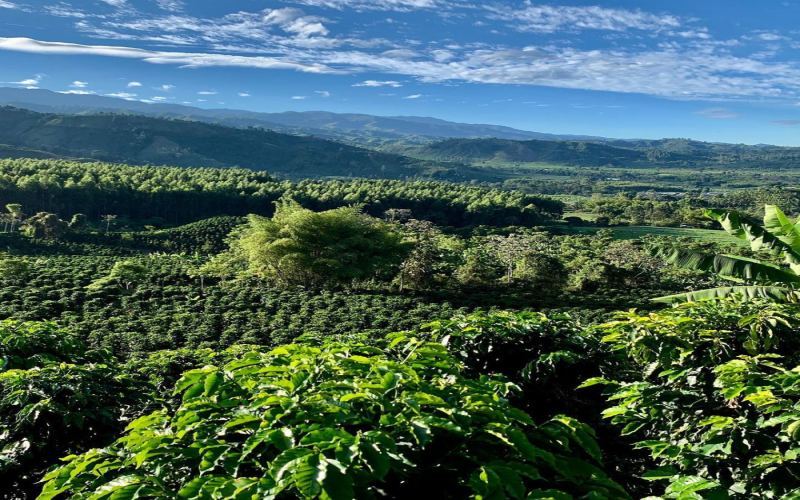
Starbucks Colombia Coffee Bean Origin Story and a Comprehensive Comparison of Huila Region Flavor Characteristics
Colombia occupies a significant place in the specialty coffee landscape thanks to its natural advantages of low latitude, high altitude, and volcanic soil. Its flavor is rich and balanced, often with nutty and cocoa notes, and Starbucks'首选 coffee became a core product in 1990 using Colombian beans. In this article, Front Street Coffee takes you through the growing conditions and main producing regions of Colombian coffee, and compares the flavor differences of Huila, Cauca, and other areas one by one, including detailed characteristics of several beans such as Pink Bourbon Isabella, Washed Huila, Anaerobic Natural Flower Moon Night, and Cauca Sakura, helping coffee lovers gain a comprehensive understanding of the diversity of Colombian coffee. [more…]
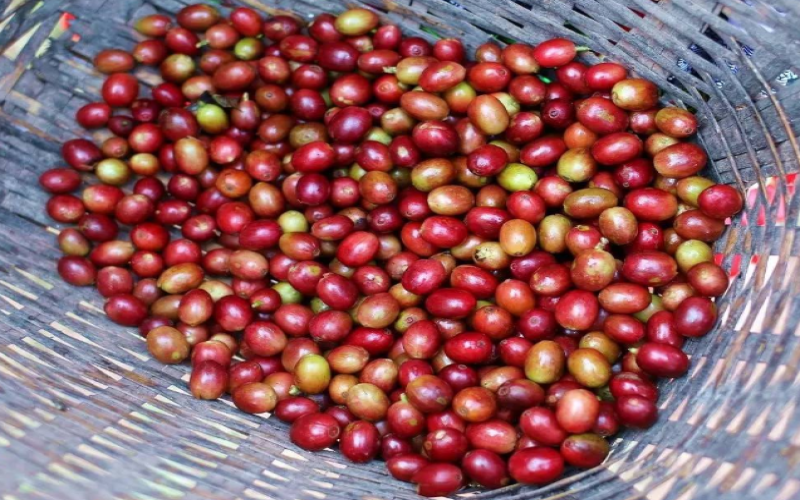
An In-Depth Analysis of the Colombia Finca San José Castillo Rum Barrel Fermented Washed Coffee
Castillo is a variety bred by Colombia's coffee research institute to enhance disease resistance, and it has now become the country's main cultivated variety. From the perspective of Front Street Coffee, this article systematically reviews Castillo's hybrid origins and the terroir conditions of Colombia's four major southern production regions, then focuses on Finca San Jose—the birthplace of the barrel fermentation processing method—explaining in detail the process of its refined washed processing combined with rum barrel fermentation, and compares this bean with Finca El Paraiso Cherry coffee through cupping, along with roasting and brewing sharing, presenting coffee enthusiasts with a complete guide to the production region and processing method. [more…]